Traveling is one of life’s greatest pleasures, but many people think it costs too much. The truth is, you can see amazing places and have wonderful experiences without breaking the bank. Budget travel is about planning smart, making wise choices, and enjoying your trip fully while saving money. Whether you want to explore cities, relax on beaches, or go on adventures, these tips will help you travel more, spend less, and make every trip memorable.
1. Plan Your Trip Wisely
Good planning is the key to budget travel. A little preparation can save you a lot of money.
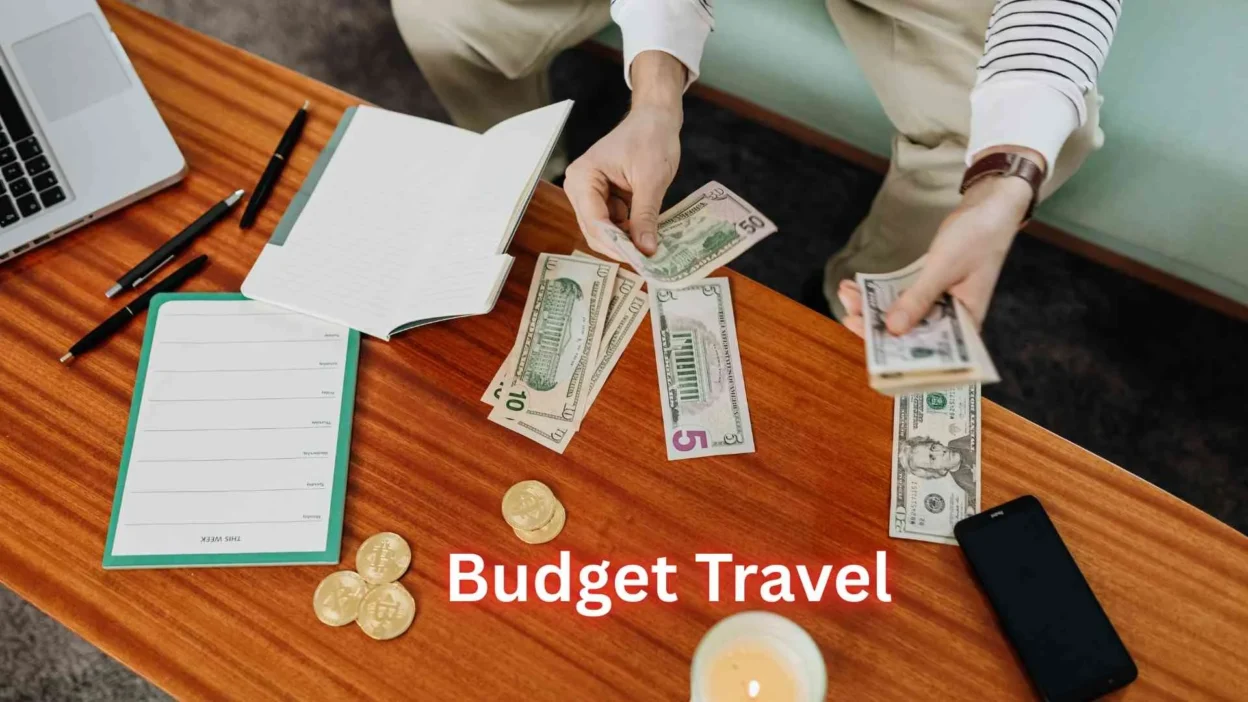
Set a budget – Decide how much money you want to spend on your trip. Include flights, accommodation, food, and activities.
Choose affordable destinations – Some countries are cheaper to travel in. For example, Southeast Asia, Eastern Europe, and parts of South America are budget-friendly.
Book in advance – Flights and hotels often cost less if you book early. Last-minute bookings can be expensive.
Travel during off-season – Prices for flights, hotels, and attractions are lower outside peak tourist seasons.
Use travel apps – Apps can help you find cheap flights, discounts on hotels, and budget-friendly activities.
2. Save on Flights and Transport
Transportation is often the biggest travel expense. These tips help you save money.
Compare flight prices – Use comparison websites to find the cheapest options.
Be flexible with dates – Flying on weekdays or outside holidays can be cheaper.
Consider alternative airports – Smaller airports near your destination can have lower fares.
Use public transport – Trains, buses, and subways are usually cheaper than taxis or rental cars.
Walk or bike – Exploring a city on foot or bike is free, healthy, and fun.
3. Affordable Accommodation
Sleeping arrangements don’t have to be expensive to be comfortable.
Hostels – Hostels are affordable and a great way to meet other travelers.
Budget hotels – Many budget hotels offer clean rooms at low prices.
Airbnb or vacation rentals – Renting a small apartment or room can be cheaper than hotels.
Couchsurfing – Staying with locals for free is possible with platforms like Couchsurfing.
Book early and compare – Check multiple websites for the best deals on accommodation.
4. Eat Well Without Overspending
Food is an important part of travel, but it doesn’t need to be expensive.
Eat local – Street food and small local restaurants are cheaper and authentic.
Cook your own meals – If your accommodation has a kitchen, buy groceries and cook.
Avoid tourist traps – Restaurants near major attractions often charge more.
Look for set menus – Many places offer meal deals that save money.
Drink water – Avoid buying soft drinks or bottled drinks frequently; tap water is fine in many countries.
5. Enjoy Activities on a Budget
Having fun doesn’t always mean spending a lot of money.
Free walking tours – Many cities offer free tours; just tip the guide.
Visit public parks and beaches – Nature is free and beautiful everywhere.
Use city passes carefully – Some cities offer passes for multiple attractions at a lower price.
Attend local events – Festivals, markets, and concerts often have free or low-cost entry.
Do your own research – Reading travel blogs or forums can help you discover free or cheap activities.
6. Smart Money Tips for Travelers
Managing your money well helps you stick to your budget.
Carry a travel card – Some cards have low or no fees abroad.
Avoid currency exchange at airports – Exchange rates are often better in local banks or ATMs.
Track your spending – Keep notes of daily expenses to avoid overspending.
Look for discounts – Student, youth, or senior discounts can save money on transport and attractions.
Travel light – Avoid extra baggage fees by packing only essentials.
Conclusion
Budget travel is all about making smart choices and planning ahead. You don’t need a big wallet to see the world. By planning wisely, choosing affordable flights and accommodation, eating smart, and enjoying low-cost activities, you can travel more for less. Every trip can become an adventure, no matter your budget. Traveling on a budget not only saves money but also teaches creativity, resourcefulness, and the joy of discovering new places in a simple, meaningful way.