
You’re reading your pregnancy test results or scrolling through a health app when you suddenly see the term “fetal fraction.” You pause.
It sounds scientific, serious, and honestly… confusing. You might wonder, “Is this good? Is this bad? Should I be worried?” Many expecting parents experience this exact moment.
Medical reports often use complex words without explaining them clearly. That’s where the confusion starts.
The truth is, fetal fraction is a common medical term used during pregnancy especially in blood tests like NIPT.
Once you understand it in simple language, it becomes much less intimidating.
Let’s break it down clearly and calmly so you know exactly what it means and why it matters.
Quick Answer:
Fetal fraction means “the percentage of a baby’s DNA found in the mother’s blood.” It’s a formal and medical term, used to explain how reliable certain prenatal tests are.
🧠 What Does Fetal Fraction Mean in Text?
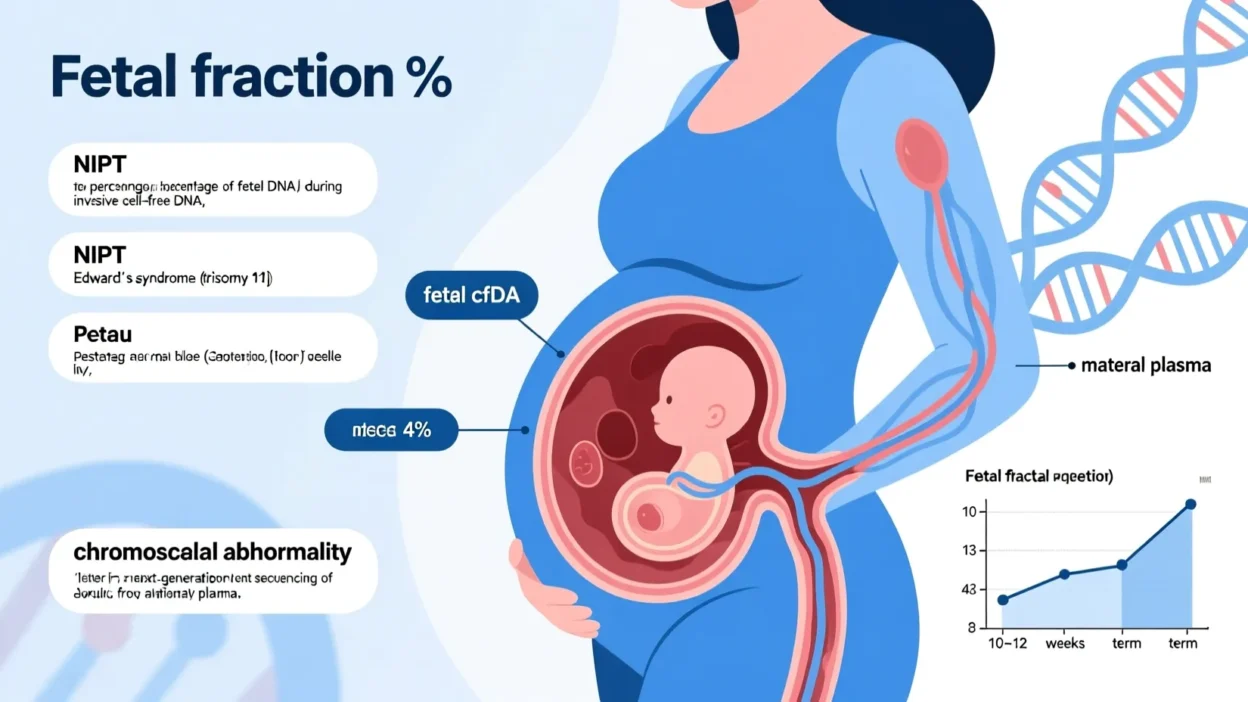
Fetal fraction refers to how much of the DNA in a pregnant person’s blood sample comes from the fetus (baby) rather than the mother. During pregnancy, tiny fragments of the baby’s DNA circulate in the mother’s bloodstream. Medical tests especially NIPT (Non-Invasive Prenatal Testing) measure this amount.
For example:
- “Your fetal fraction is 8%, so the test results are reliable.”
This means enough fetal DNA was present to analyze genetic information accurately.
In short:
Fetal fraction = fetal DNA percentage = helps doctors trust prenatal test results.
📱 Where Is Fetal Fraction Commonly Used?
Unlike slang words, fetal fraction is not used in casual texting or social media chats. You’ll mostly see it in medical or pregnancy-related spaces:
- 🏥 Lab reports & medical test results
- 👩⚕️ Doctor or OB-GYN conversations
- 🤰 Pregnancy apps & health portals
- 📄 NIPT screening explanations
- 📚 Medical or pregnancy articles
Usage style:
- ✔️ Formal
- ✔️ Medical
- ❌ Not casual
- ❌ Not flirty
- ❌ Not social-media slang
💬 Examples of Fetal Fraction in Conversation
Here are realistic examples of how fetal fraction appears in real conversations:
Example 1
A: “Are my test results accurate?”
B: “Yes, your fetal fraction was high enough.”
Example 2
A: “Why do I need to repeat the test?”
B: “The fetal fraction was too low last time.”
Example 3
A: “What does fetal fraction 5% mean?”
B: “It means enough fetal DNA was detected.”
Example 4
A: “Is low fetal fraction dangerous?”
B: “No, it just affects test accuracy.”
Example 5
A: “Does fetal fraction increase later?”
B: “Yes, it usually increases as pregnancy progresses.”
🕓 When to Use and When Not to Use Fetal Fraction
✅ When to Use
- Talking with a doctor or healthcare provider
- Reading prenatal or NIPT test results
- Researching pregnancy health
- Medical discussions or reports
❌ When Not to Use
- Casual chats with friends
- Social media comments
- Informal texting
- Emotional conversations without explanation
Comparison Table
| Context | Example Phrase | Why It Works |
|---|---|---|
| Friend Chat | “Doctor said my test needs repeating.” | Simple & casual |
| Doctor Visit | “My fetal fraction was low.” | Medically accurate |
| Work Chat | “I have a medical appointment.” | Professional |
| “Please review the attached lab report.” | Formal & clear |
🔄 Similar Slang Words or Alternatives
While fetal fraction has no slang alternatives, these related terms are often used alongside it:
| Term | Meaning | When to Use |
|---|---|---|
| NIPT | Non-invasive prenatal test | Pregnancy screening |
| cfDNA | Cell-free DNA | Medical reports |
| Low fetal fraction | Insufficient fetal DNA | Explaining unclear results |
| Prenatal screening | Early pregnancy tests | Doctor discussions |
| Genetic testing | Checks chromosomes | Medical context |
❓ FAQs:
Q1: Is fetal fraction good or bad?
Neither it’s just a measurement. Higher fetal fraction usually means more accurate test results.
Q2: What is a normal fetal fraction level?
Most labs require 4% or higher for reliable NIPT results.
Q3: Can fetal fraction be low?
Yes, especially early in pregnancy.
Q4: Does low fetal fraction harm the baby?
No. It only affects test accuracy, not baby health.
Q5: Is fetal fraction a slang term?
No. It’s a medical and scientific term, not text slang.
✅ Conclusion:
Understanding what fetal fraction means can make pregnancy test results far less confusing.
Simply put, fetal fraction measures how much of your baby’s DNA is present in your blood during prenatal screening.
It helps doctors decide whether test results are reliable or need repeating.
Although it may sound intimidating, it’s a routine medical term used worldwide in pregnancy care.
Knowing its meaning empowers you to read reports confidently and ask informed questions.
If you ever come across this term again, you’ll know exactly what it means and why it’s important.