Have you ever been filling out a job application or reading an offer letter and suddenly paused at the words “non exempt”, thinking, wait… what does that even mean?
You’re not alone. A lot of people first see this term in HR documents, payroll systems, or workplace chats and feel confused because it doesn’t sound like normal everyday language or typical texting slang either.
The term non exempt is especially common in work-related conversations, and understanding it can actually affect your pay, overtime, and work hours. So let’s break it down in plain English, without legal jargon or confusion.
Quick Answer:
Non exempt means “not exempt from overtime rules.” It’s a formal, work-related term, not flirty or casual slang, used to describe employees who are eligible for overtime pay.
🧠 What Does Non Exempt Mean in Text?
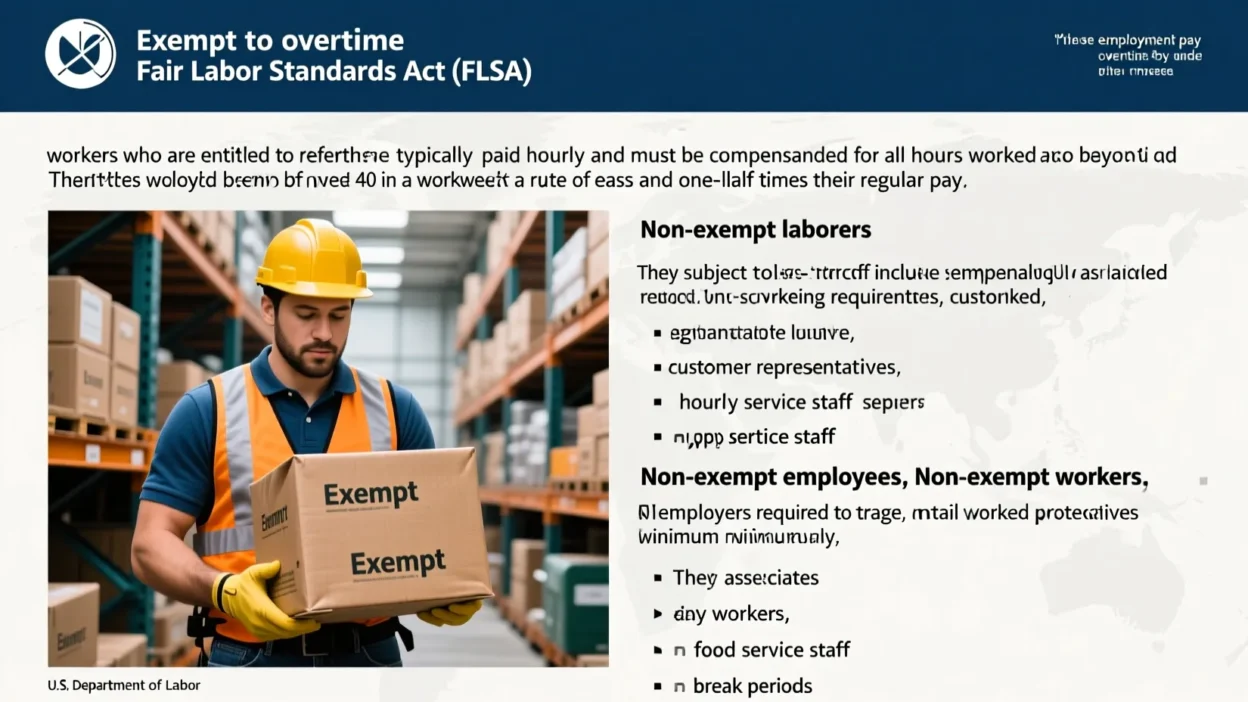
Non exempt is short for non-exempt employee, a classification used mainly in workplaces under labor laws (like the Fair Labor Standards Act in the U.S.).
In simple words, a non exempt employee:
- Is paid by the hour (in most cases)
- Must be paid overtime (usually 1.5× pay) for extra hours
- Has work hours that are tracked
You might see “non exempt” in:
- HR messages
- Payroll apps
- Offer letters
- Workplace chats or emails
Example sentence:
“This role is non exempt, so overtime will be paid for hours worked over 40 per week.”
In short:
Non exempt = Not exempt from overtime laws = Eligible for overtime pay
📱 Where Is Non Exempt Commonly Used?
Unlike typical slang, non exempt is mostly used in professional and work-related spaces.
You’ll commonly see it in:
- 💼 HR documents & contracts
- 🧾 Payroll systems
- 💬 Workplace chats (Slack, Teams)
- 📧 Emails from managers or HR
- 🏢 Job descriptions
Tone & usage style:
- ❌ Not flirty
- ❌ Not casual slang
- ✅ Formal
- ✅ Professional
- ✅ Legal / HR-friendly
👉 While it may appear in text messages, it’s not texting slang like “brb” or “idk.”
💬 Examples of Non Exempt in Conversation
Here’s how non exempt looks in real, everyday conversations especially at work:
Example 1
A: “Do I get paid for staying late today?”
B: “Yeah, your role is non exempt 👍”
Example 2
A: “Why do I have to log my hours?”
B: “Because you’re non exempt, payroll needs it”
Example 3
A: “Is overtime approved?”
B: “Yes, non exempt staff can claim OT”
Example 4
A: “My paycheck looks different this week”
B: “Probably overtime non exempt pay adjusts”
Example 5
A: “Are managers non exempt too?”
B: “Most managers are exempt, not non exempt”
Example 6
A: “Can I work extra hours?”
B: “Only if OT is approved since you’re non exempt”
🕓 When to Use and When Not to Use Non Exempt
✅ When to Use
- Talking about pay, overtime, or hours
- Explaining job classifications
- HR or manager conversations
- Payroll or scheduling discussions
- Job offer explanations
❌ When Not to Use
- Casual texting with friends
- Social media captions
- Flirting or jokes
- Emotional or urgent personal chats
- Non-work-related conversations
📊 Usage Comparison Table
| Context | Example Phrase | Why It Works |
| Friend Chat | “work stuff is confusing 😅” | Keeps it casual |
| Work Chat | “This role is non exempt” | Accurate & professional |
| HR Email | “The position is classified as non exempt” | Clear & formal |
| Payroll | “Non exempt hours recorded” | Legal clarity |
🔄 Similar Terms or Alternatives
Here are related words you might see alongside non exempt:
| Term | Meaning | When to Use |
| Exempt | Not eligible for overtime | Salaried roles |
| Hourly employee | Paid per hour | Informal explanation |
| Overtime-eligible | Can earn OT pay | Simple clarification |
| Salaried non exempt | Salary + OT | Special job types |
| Wage employee | Paid wages, not salary | General usage |
💡 Tip: “Hourly” is often used casually, but non exempt is the legal term.
❓ FAQs:
Is non exempt a slang term?
No. Non exempt is not slang. It’s a formal employment and legal term.
Is non exempt casual or formal?
It’s formal and professional, mainly used in workplaces.
Can salaried employees be non exempt?
Yes. Some salaried employees are still non exempt and earn overtime.
Does non exempt mean lower job level?
Not at all. It only describes overtime eligibility, not skill or importance.
Is non exempt used outside work?
Rarely. You’ll mostly see it in job-related contexts.
Can I use non exempt in normal texting?
Only if you’re discussing work. Otherwise, it sounds out of place.
✅ Conclusion:
So, what does non exempt mean? In simple terms, it refers to an employee who is not exempt from overtime laws and is therefore eligible for extra pay when working additional hours.
While it may show up in text messages or chats, non exempt is not slang it’s a formal workplace term used in HR, payroll, and job classifications.
Understanding this term can help you better navigate your pay, work hours, and employment rights.
If you ever see “non exempt” in an offer letter or message, you’ll now know exactly what it means and why it matters.