
Have you ever been scrolling through texts or social media and noticed someone say they’re “feeling blue,” or drop a 💙 emoji and you paused for a second, wondering what they really meant? You’re not alone.
The color blue shows up everywhere: chats, captions, emojis, and even moods. Sometimes it feels calm and comforting, other times a little sad or distant.
That mix can be confusing if you don’t know the context.
Quick Answer:
The color blue usually means calm, trust, loyalty, or sadness, depending on how it’s used. In texting and social media, it’s a casual and emotional way to express feelings like peace 💙, support, or sometimes feeling down 😔.
🧠 What Does the Color Blue Mean in Text?
In texting and online conversations, the color blue doesn’t have one single meaning it changes with context.
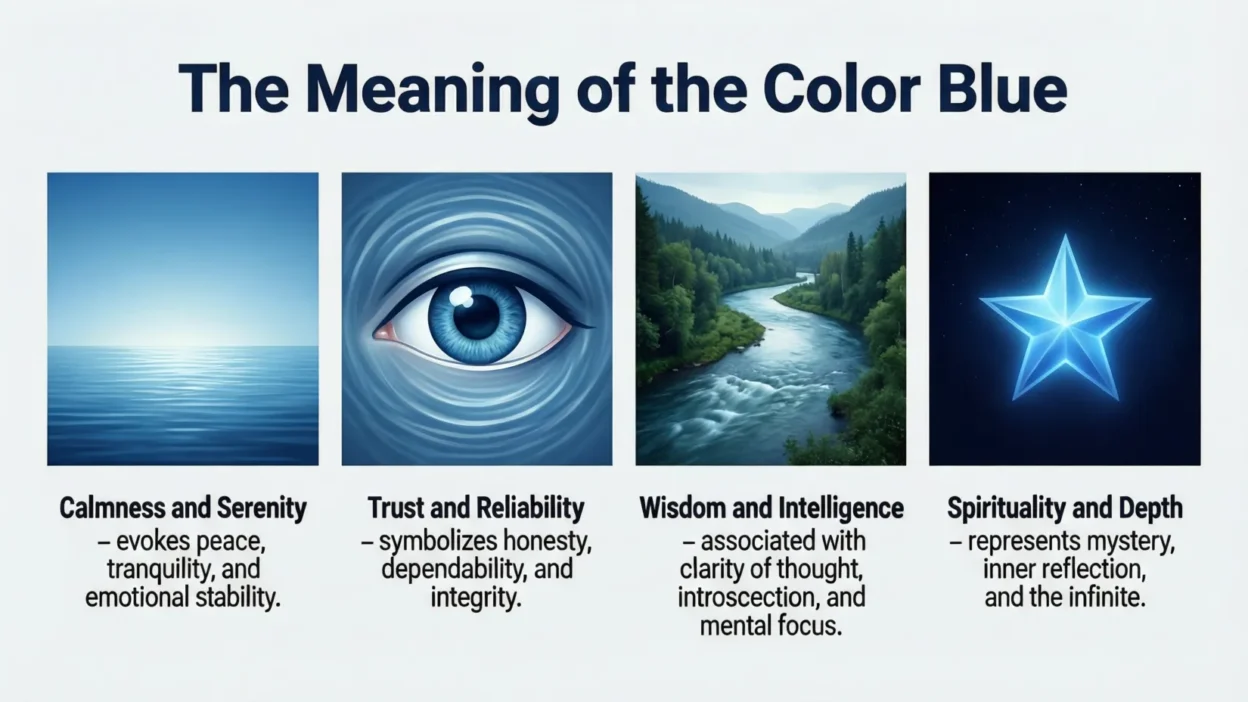
Most commonly, blue represents:
- Calmness and peace
- Trust and loyalty
- Emotional depth
- Sadness or feeling low (as in “feeling blue”)
For example:
“I’m kinda blue today 💙”
This usually means the person is feeling sad or emotionally low, not literally talking about a color.
In short:
Color Blue = Calm / Trust / Sadness = Emotional expression based on context
📱 Where Is the Color Blue Commonly Used?
You’ll see the color blue and its meanings across many digital platforms:
- 💬 Text Messages – expressing mood or support
- 📸 Instagram captions – calm vibes, loyalty, aesthetic posts
- 🎵 TikTok – emotional or sad content
- 💙 Emojis – blue heart for trust, support, or platonic love
- 🧠 Mental health posts – calmness or emotional honesty
Tone & Style:
- Mostly casual
- Very social-media–friendly
- Not formal at all
Blue works best in relaxed, emotional, or expressive conversations.
💬 Examples of the Color Blue in Conversation
Here are some realistic chat-style examples 👇
Example 1
A: Are you okay today?
B: idk… feeling a little blue 💙
Example 2
A: thanks for always being there
B: always 💙
These examples show how blue can mean sad, supportive, or peaceful.
🕓 When to Use and When Not to Use the Color Blue
✅ When to Use
- Casual chats with friends
- Expressing calm or emotional feelings
- Showing trust, loyalty, or support 💙
- Aesthetic or mood-based posts
❌ When Not to Use
- Formal emails or work messages
- Serious professional communication
- Urgent or official situations
- When clarity is required (avoid vague emotion)
📊 Context Comparison Table
| Context | Example Phrase | Why It Works |
| Friend Chat | “i’m here for you 💙” | Warm & supportive |
| Social Media | “blue vibes only ✨💙” | Emotional & aesthetic |
| Work Chat | “Thanks for the update.” | Clear & professional |
| “I appreciate your assistance.” | Formal & appropriate |
🔄 Similar Slang Words or Alternatives
Here are common alternatives to express similar feelings:
| Slang / Symbol | Meaning | When to Use |
| 💙 Blue Heart | Trust, loyalty, support | Friendly chats, posts |
| 😔 Sad Face | Feeling down | Emotional texts |
| 😌 Calm Face | Peaceful, relaxed | Chill vibes |
| “lowkey sad” | Mild sadness | Casual texting |
| “chill vibes” | Relaxed mood | Social media captions |
❓ FAQs:
Q1: Does blue always mean sadness?
No. Blue can also mean calm, trust, loyalty, or peace. Sadness is just one meaning.
Q2: What does a blue heart 💙 mean in texting?
It usually means trust, comfort, or platonic lovenot romantic like ❤ ️.
Q3: Is “feeling blue” formal?
No, it’s casual and mostly used in everyday conversations.
Q4: Can blue be flirty?
Rarely. Blue is more emotional or supportive than flirty.
Q5: Is blue okay to use in professional chats?
It’s better to avoid it. Use clear words instead of emotional color meanings.
✅ Final Thoughts:
So, what does the color blue mean? In simple terms, it’s an emotional signal. Blue can quietly say I’m calm, I trust you, or I’m feeling a little sad all without long explanations.
That’s why it’s so popular in texting, emojis, and social media. Just remember: context is everything.
Use blue when you want to express feelings casually, but switch to clear language in formal situations. 💙