You’re scrolling through a comment section or reading a text, and suddenly you see someone reply with “inverse lol” or “do the inverse”.
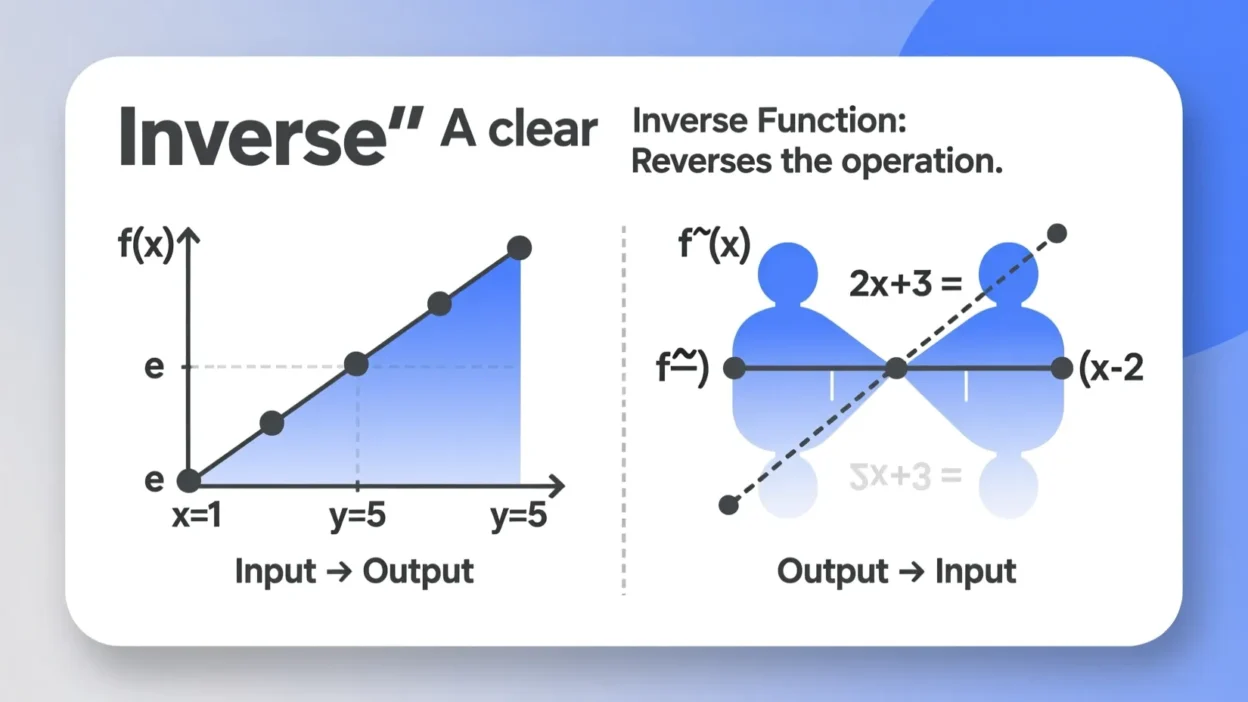
You pause for a second and think: Wait… inverse? Isn’t that a math word?
Don’t worry you’re not alone. Many people first learn the word inverse in school, but today it also pops up in casual chats, memes, and online conversations.
Quick Answer:
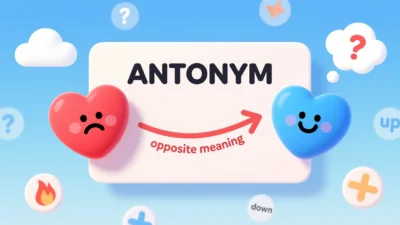
Inverse means the opposite or reversed form of something. It’s a neutral, casual-to-smart way of saying “the opposite happens” or “do the opposite.”
🧠 What Does Inverse Mean in Text?
In simple terms, inverse means opposite, reversed, or flipped around.
In texting or social media, people use inverse to sound a bit smarter or playful when explaining that something works the opposite way than expected.
Example:
“everyone hates mondays but for me it’s inverse 😅”
That means Mondays are actually good for them.
In short:
Inverse = Opposite = Reversed meaning or action
📱 Where Is “Inverse” Commonly Used?
You’ll mostly see inverse in semi-casual digital spaces, especially where people mix humor with logic.
Common places include:
- 💬 Text messages – explaining opposite reactions
- 🐦 X (Twitter) – memes, short opinions
- 🎵 TikTok comments – ironic takes
- 🎮 Gaming chats – strategy explanations
- 📚 School / study chats – casual but smart tone
Tone check:
- ✔️ Casual
- ✔️ Neutral
- ✔️ Slightly intellectual
- ❌ Not flirty
- ❌ Not super formal
💬 Examples of “Inverse” in Conversation
Here are some realistic chat-style examples 👇
Example 1
A: “people get sleepy after coffee”
B: “for me it’s inverse, i sleep better ☕😂”
Example 2
A: “rain ruins my mood”
B: “inverse here, i love rainy days 🌧️”
🕓 When to Use and When Not to Use “Inverse”
✅ When to Use “Inverse”
- Casual conversations with friends
- Explaining opposite reactions or results
- Online discussions or comments
- Light humor or irony
- Study or logic-based chats
❌ When Not to Use “Inverse”
- Formal emails or professional writing
- Emotional or sensitive conversations
- When talking to someone unfamiliar with English
- Legal or official documents
📊 Usage Comparison Table
| Context | Example Phrase | Why It Works |
| Friend Chat | “no stress, inverse for me 😄” | Casual & natural |
| Social Media | “my experience was inverse lol” | Relatable tone |
| Work Chat | “the opposite result occurred” | Professional |
| “the outcome differed from expectations” | Formal & clear |
🔄 Similar Slang Words or Alternatives
Here are some common alternatives people use instead of inverse:
| Slang / Word | Meaning | When to Use |
| Opposite | Completely different | Everyday chats |
| Reverse | Flipped direction | Actions or plans |
| Flip side | Other perspective | Opinions |
| Contrary | Against expectation | Semi-formal |
| Backwards | Not working as usual | Casual / humorous |
❓ FAQs:
Is “inverse” a slang word?
Not originally. It’s a standard English word, but it’s now used casually in texts and online conversations.
Is “inverse” formal or casual?
It’s neutral. Casual in texts, formal in academic or technical writing.
Can I use “inverse” in texting?
Yes! Many people use it to sound concise or slightly witty.
Does “inverse” mean negative?
No. It simply means the opposite, not bad.
Is “inverse” used in flirting?
Not really. It’s more logical than romantic 😄
✅ Conclusion:
So, what does inverse mean?
It simply means the opposite or reversed version of something. While it started as a math and science term, today it’s widely used in texts, memes, comments, and casual chats to explain opposite reactions or outcomes.
If you want to sound clear, a little smart, and straight to the point, inverse is a perfectly acceptable word to use, just avoid it in overly formal or emotional situations.
Next time you see it online, you’ll know exactly what it means 👍